

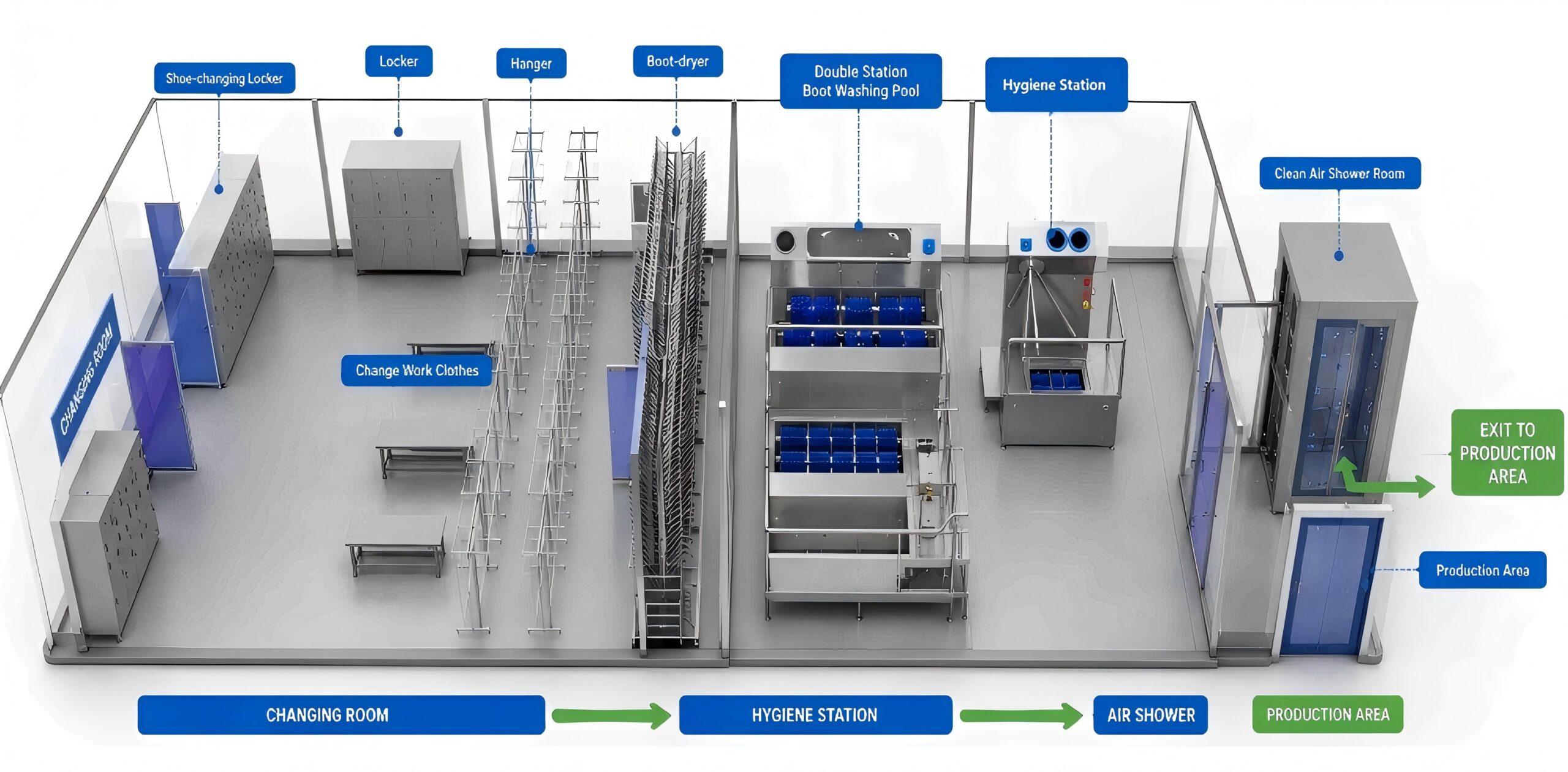
A hygiene station is an important part of personnel hygiene management in food processing plants. Before entering production areas, workers may need to wash and disinfect their hands, clean their footwear, change work clothing, and pass through controlled access points.
A properly designed hygiene station helps food manufacturers establish consistent entry procedures and support their daily hygiene management practices.
Longreat provides industrial hygiene and changing-room equipment for food processing facilities, helping customers select equipment based on their production layout, hygiene requirements, and personnel flow.
What Is a Hygiene Station?
A hygiene station is an area equipped with facilities that help workers follow required hygiene procedures before entering food production areas.
Depending on the facility’s requirements, it may include hand washing stations, boot washing machines, footwear disinfection equipment, access control systems, and other personnel hygiene equipment.
The configuration varies according to the type of food being processed, the production environment, the number of employees, and the factory’s hygiene procedures.
Essential Hygiene Station Equipment
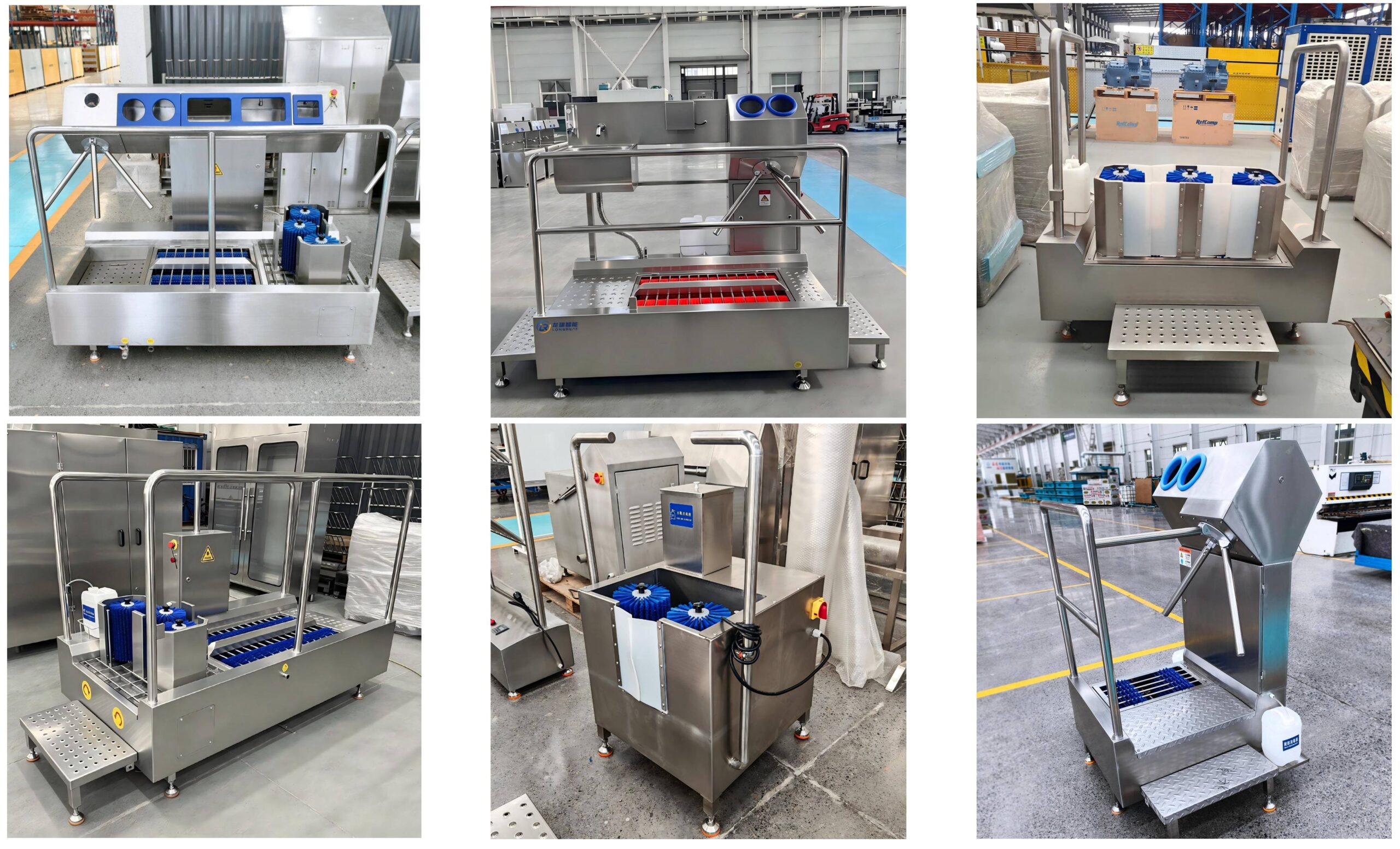
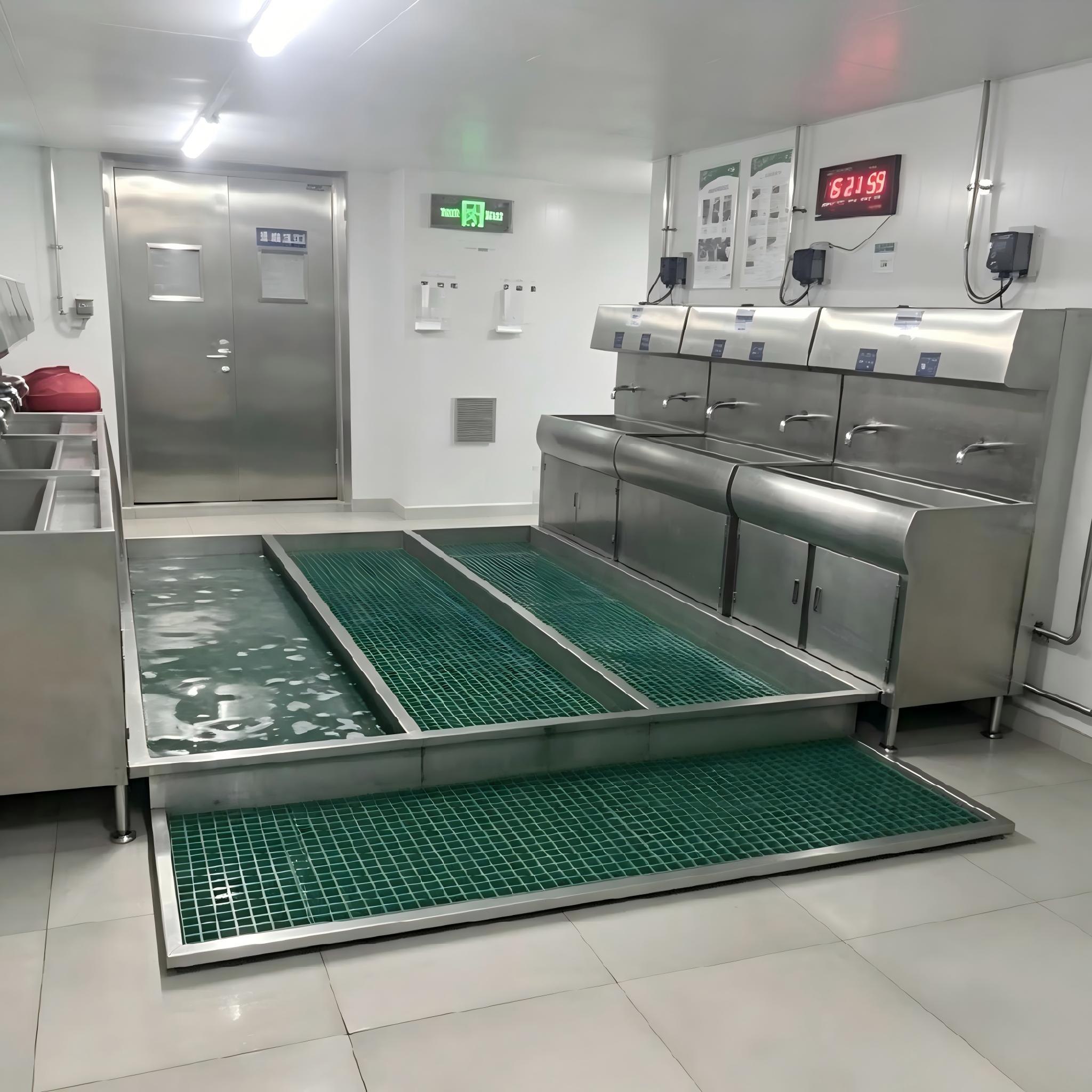
1. Boot Washing Machine
A boot washing machine cleans work boots before employees enter designated production areas. Depending on the model, it can clean boot soles or both soles and uppers.
For food processing plants where workers wear rubber boots, automatic boot washing equipment can help standardize footwear cleaning procedures and reduce manual cleaning work.
Some systems combine boot washing with disinfection, hand washing, or access control to create a more integrated personnel hygiene station.
Learn more about our industrial boot washing machine solutions.
2. Hand Washing Station
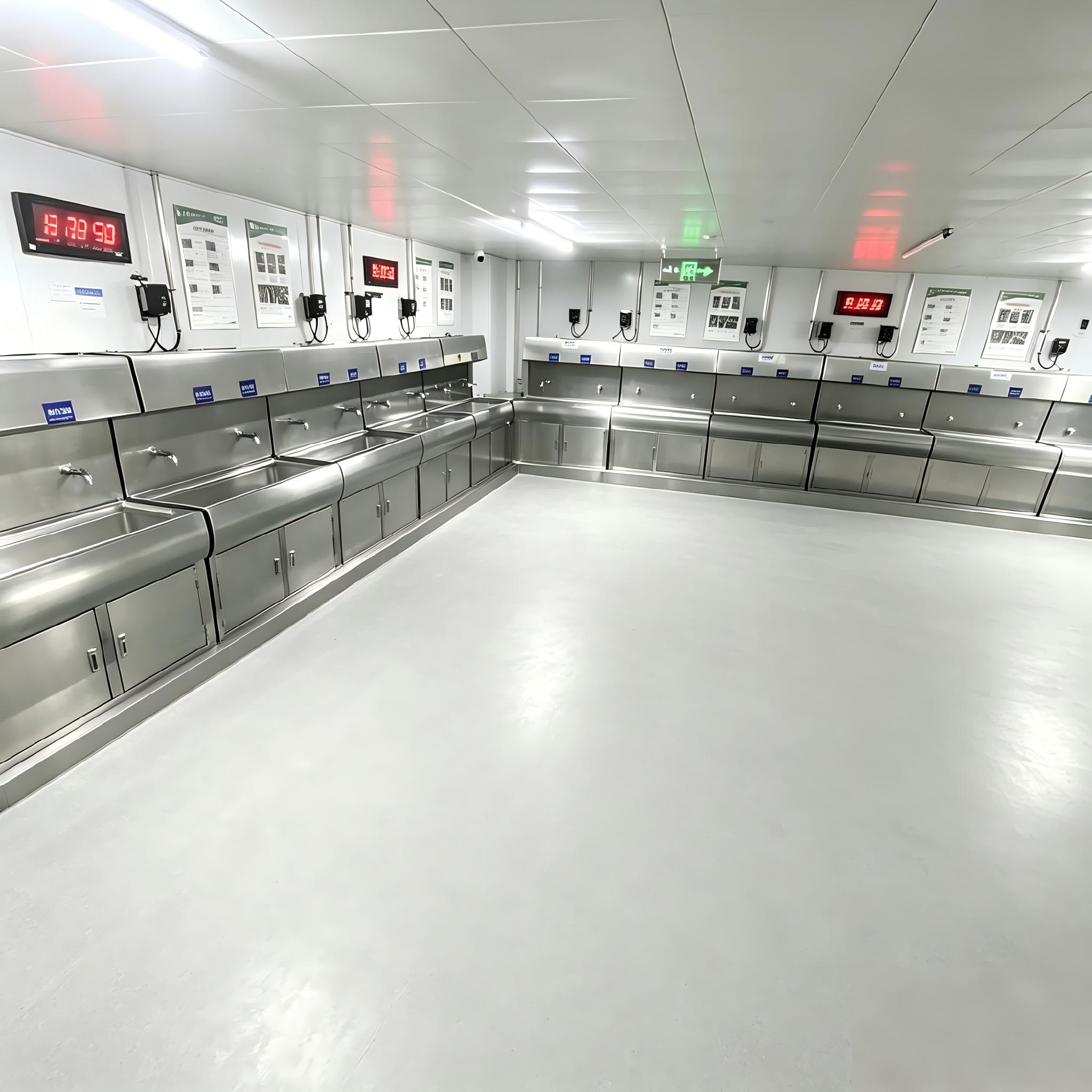
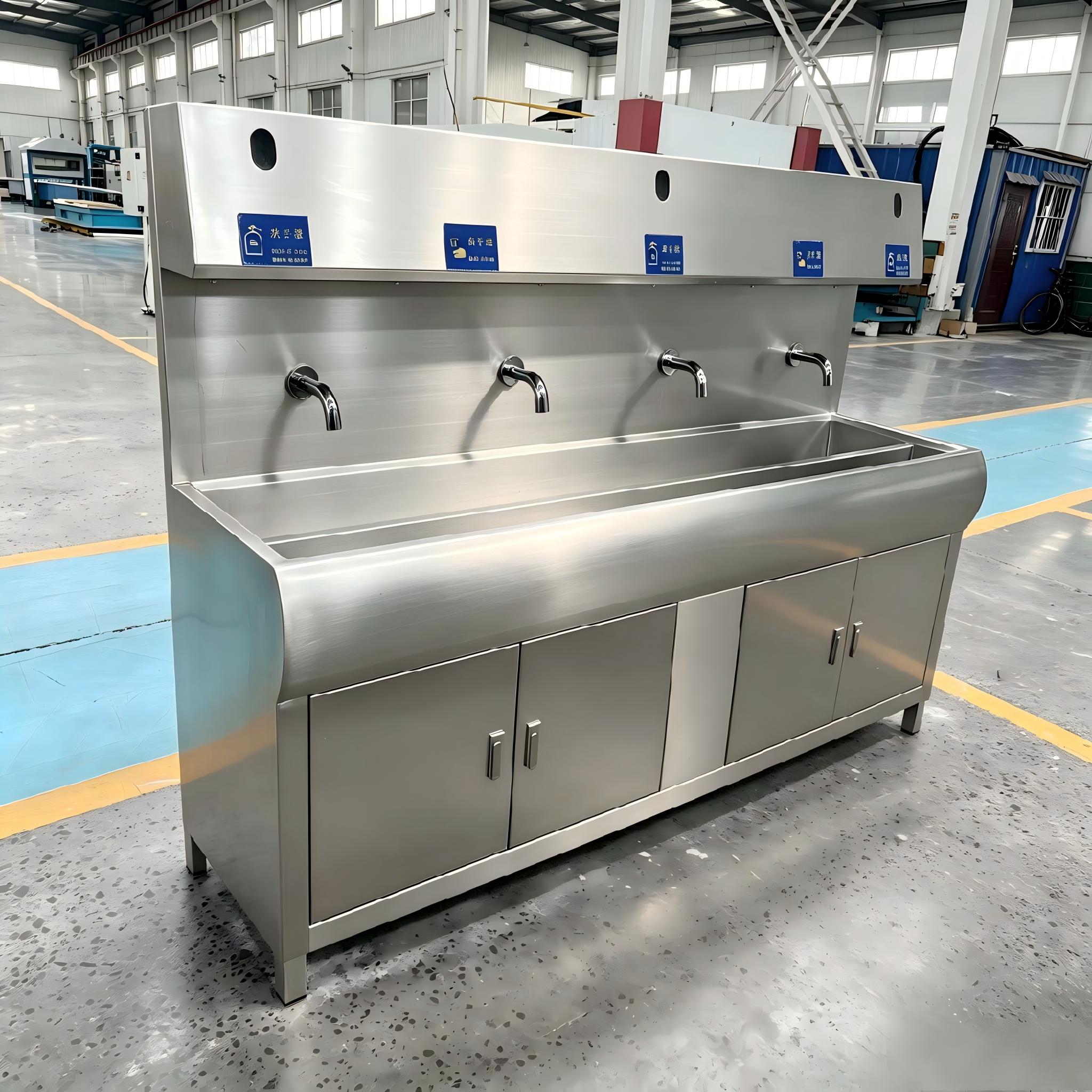
A hand washing station provides a designated area for employees to wash their hands before entering production zones.
Depending on the hygiene requirements, a hand washing station may include a sensor-operated faucet, a soap dispenser, and a hand drying or disinfection unit. Some systems also integrate access control so that employees must complete specified hygiene steps before entry.
When selecting a hand washing station, consider the number of employees, available installation space, water supply, drainage, and cleaning requirements.
 |
 |
 |
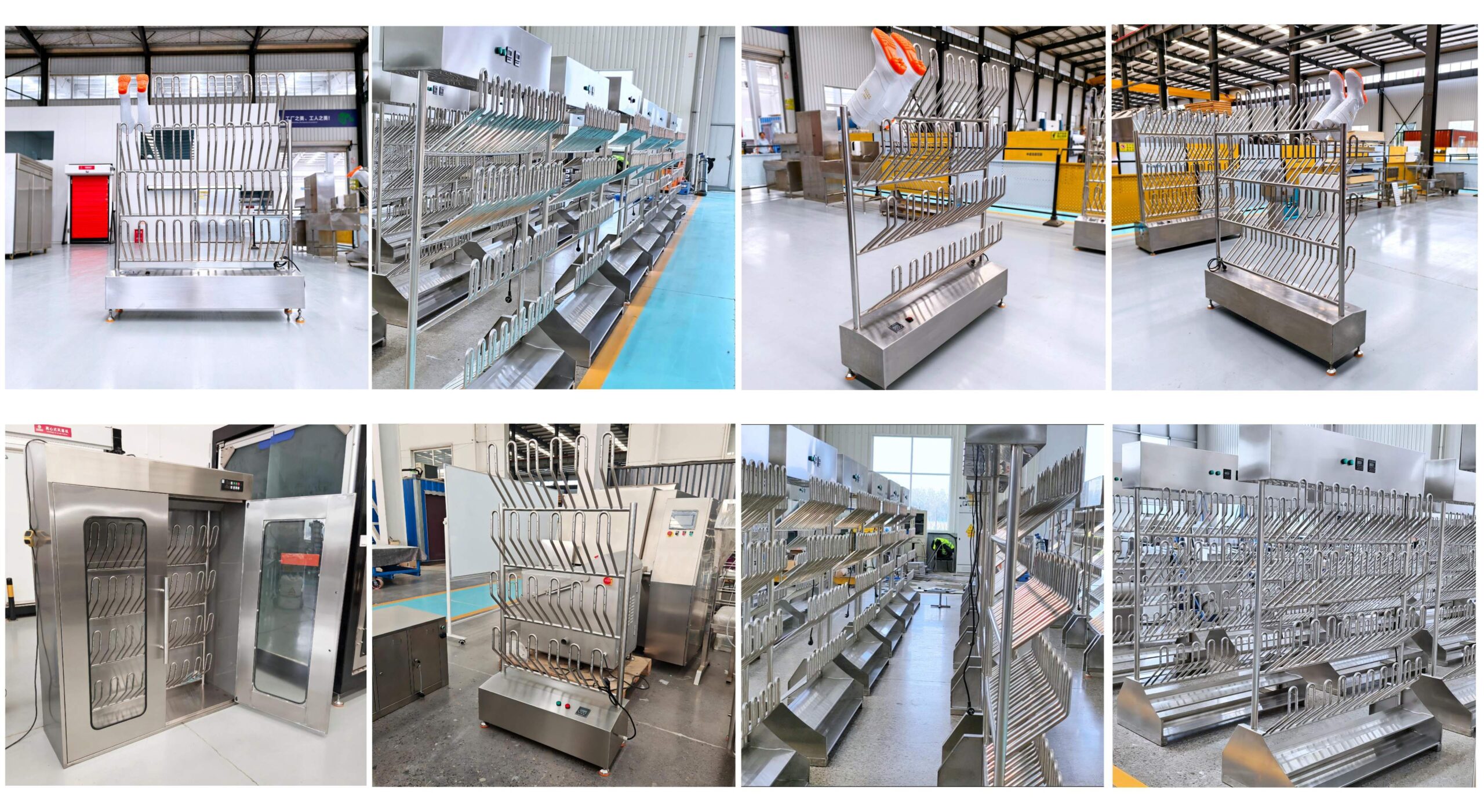
3. Boot Dryer
A boot dryer helps dry work boots after washing or after use in wet processing environments.
Moisture inside footwear can cause discomfort and make footwear management more difficult. A suitable boot drying system can help improve drying efficiency and support daily footwear care.
Food factories should select a boot dryer based on boot type, drying capacity, installation space, and the required drying process. Where footwear must be disinfected, drying equipment should be selected as part of the factory’s overall hygiene procedure rather than assumed to provide disinfection on its own.
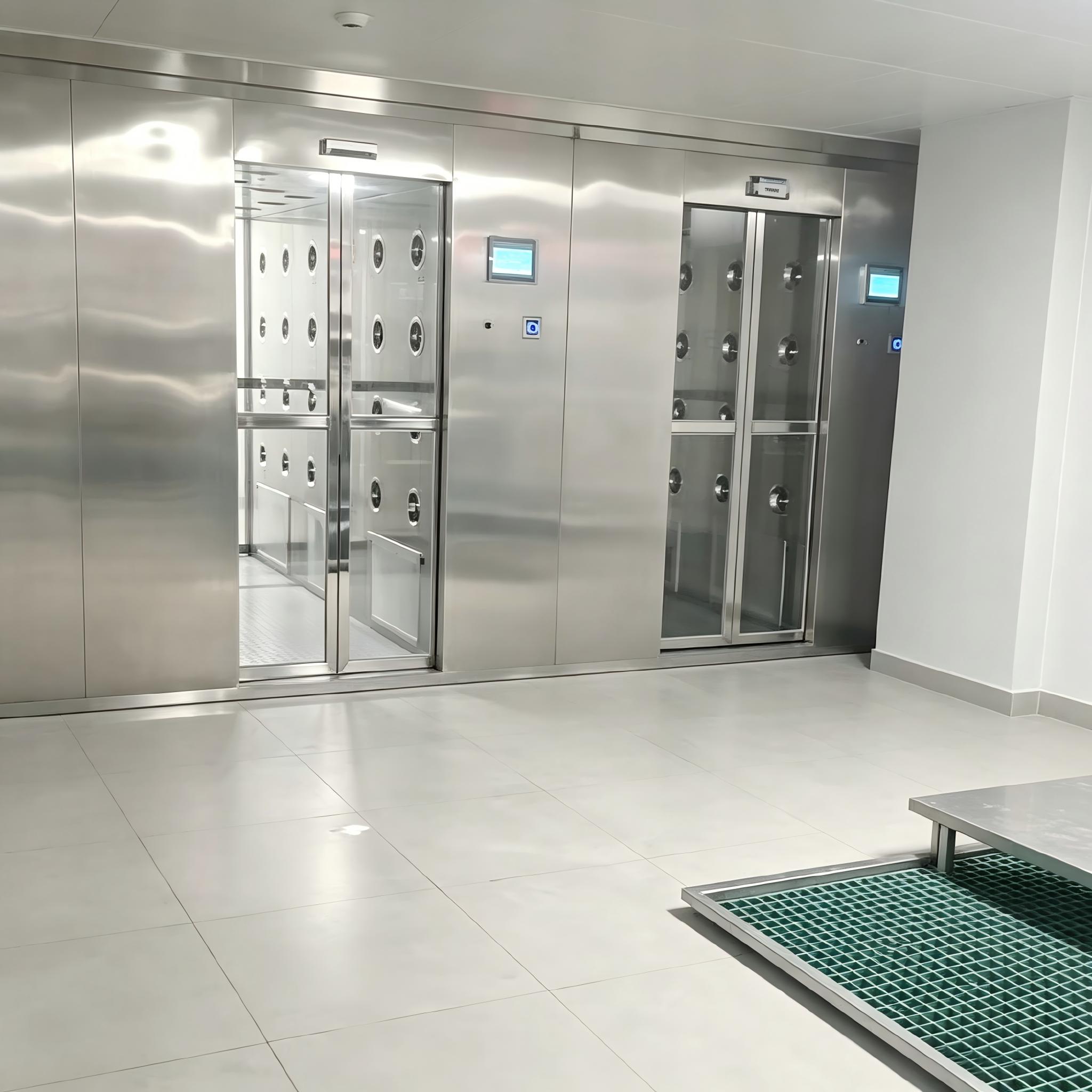
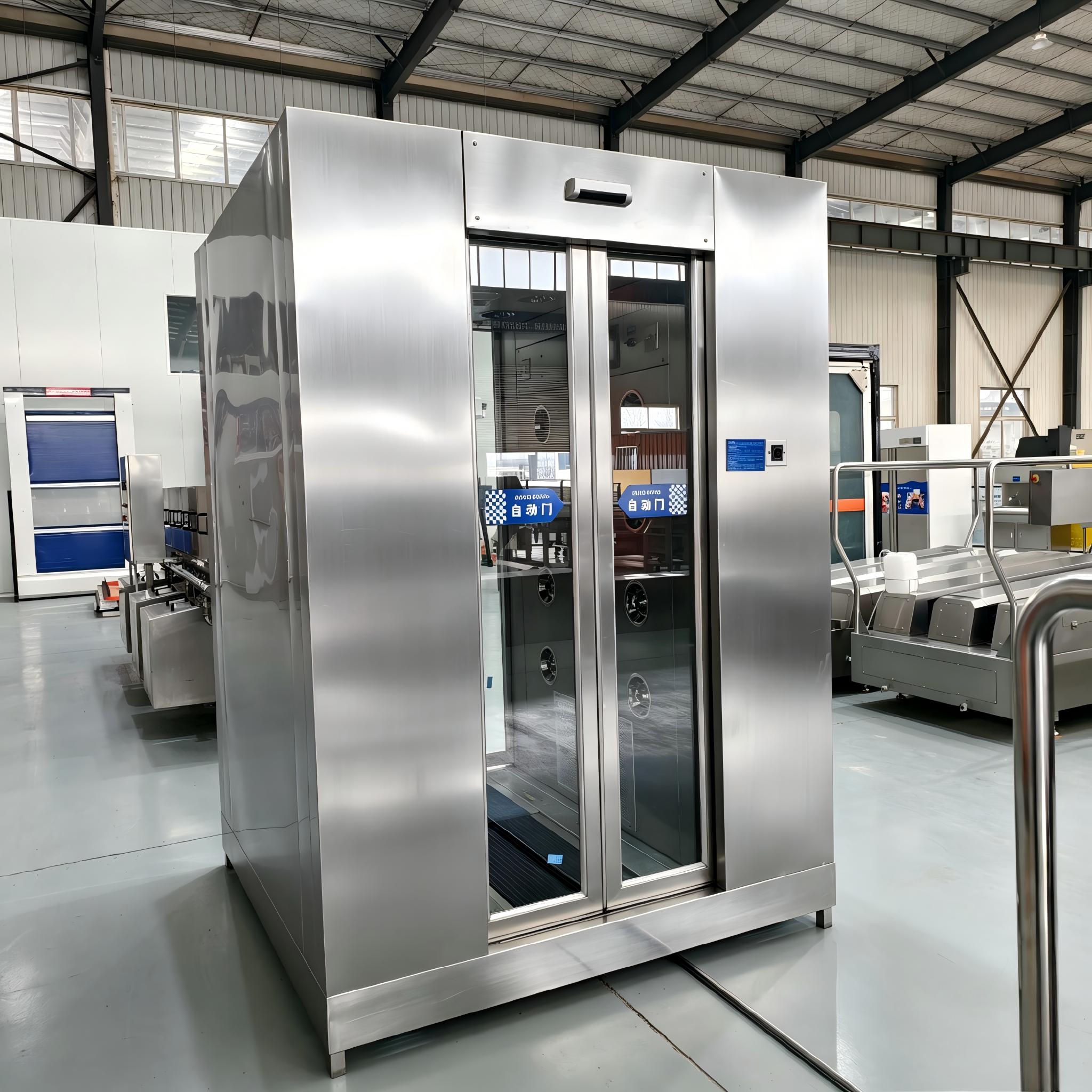
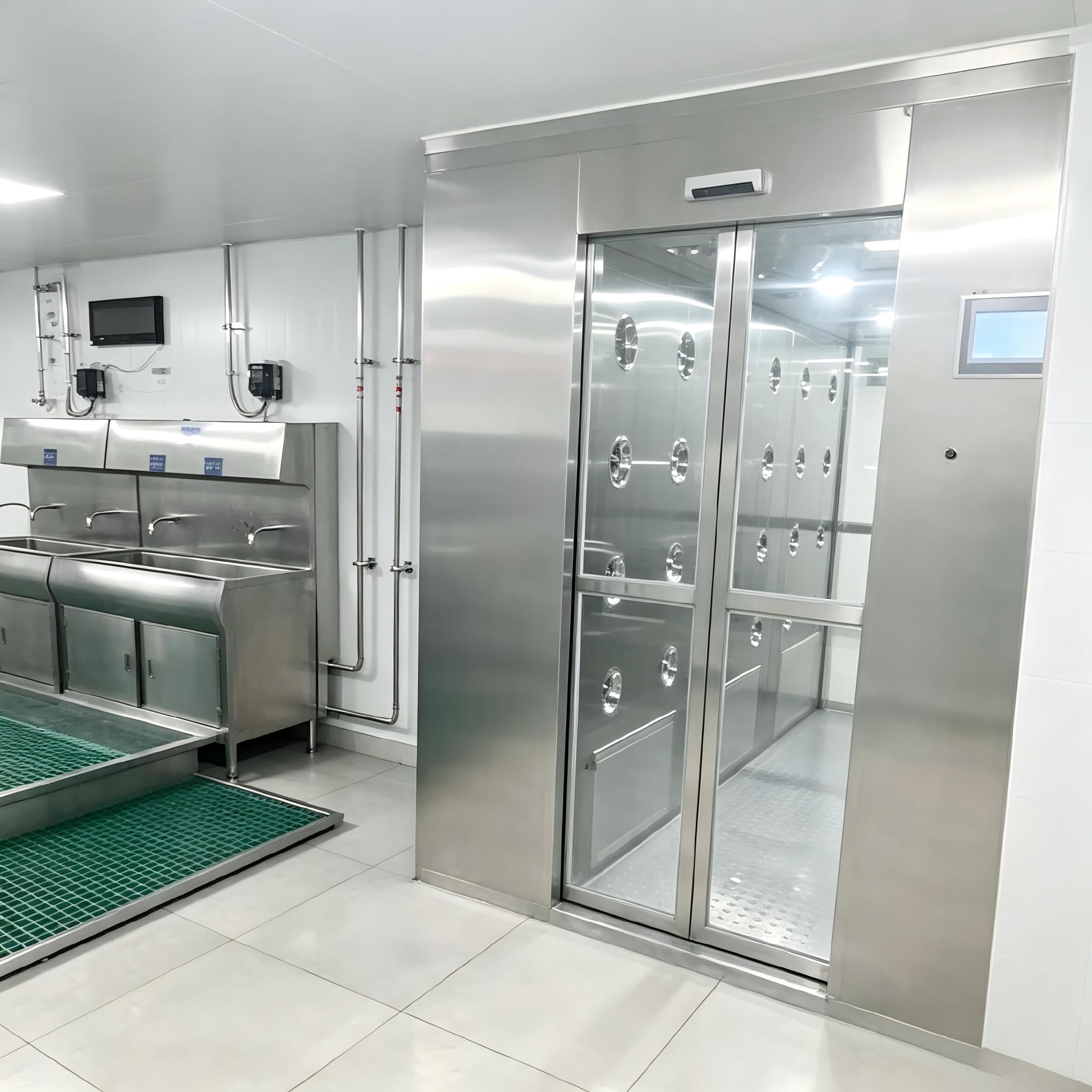
4. Air Shower
An air shower uses directed air to remove loose particles from personnel or clothing before entry into designated controlled areas.
Air showers are more relevant to facilities with specific cleanliness or contamination-control requirements. They are not a replacement for hand washing, footwear cleaning, or other required hygiene procedures.
Before installing an air shower, assess whether it is appropriate for the facility’s risk assessment, production process, and entry layout.
 |
 |
 |
5. Lockers and Changing Room Benches
Lockers and changing room benches support personnel changing procedures by providing designated storage for personal belongings and work clothing, along with a convenient area for changing footwear.
A well-organized changing room can help separate personal items from workwear and improve the flow of employees between changing areas and production entrances.
The number and arrangement of lockers and benches should match staffing levels, shift patterns, available space, and the factory’s clothing-management procedures.
How to Plan a Hygiene Station for a Food Factory
Choosing individual equipment is only one part of the planning process. A functional hygiene station should fit the movement of personnel and the actual hygiene requirements of the facility.
Consider the following factors:
1. Production requirements
Different food processing environments may have different personnel hygiene requirements. Meat, poultry, seafood, dairy, and ready-to-eat food facilities should select equipment according to their specific processes and hygiene procedures.
2. Personnel flow
Plan the changing and hygiene area so that employees can follow the required steps in a logical sequence without unnecessary crossing between clean and less-clean areas.
3. Equipment capacity
Consider the number of employees entering during shift changes, the available installation space, and the throughput of each unit. Undersized equipment can create queues at busy production entrances.
4. Cleaning and maintenance
Choose equipment with suitable materials, accessible cleaning points, and a maintenance plan appropriate for the operating environment. Stainless steel construction is commonly used for industrial hygiene equipment in food processing facilities.
5. Integration and access control
Where required, hand washing, footwear cleaning, disinfection, and personnel access control can be coordinated into a single entry procedure. The specific functions should be confirmed against the equipment configuration and the factory’s operational needs.
Hygiene Station vs. Individual Hygiene Equipment
A single machine addresses a particular task, such as washing boots or washing hands. A hygiene station takes a broader approach by combining the equipment and procedures required at a personnel entry point.
For some facilities, a standalone boot washing machine or hand washing station may be sufficient. Others may need an integrated arrangement that includes footwear cleaning, hand hygiene, changing facilities, and access control.
The best configuration depends on the production process, personnel flow, available space, and hygiene requirements—not simply the number of machines installed.
Frequently Asked Questions
What equipment is included in a hygiene station?
A hygiene station may include a boot washing machine, hand washing station, footwear disinfection equipment, access control, and other personnel hygiene facilities. Changing room lockers, benches, and boot dryers may also be included depending on the factory’s layout and requirements.
Is a boot washing machine necessary in every food factory?
Not every facility requires the same footwear-cleaning equipment. The choice depends on the production process, footwear used by employees, contamination-control requirements, and the factory’s hygiene procedures.
What is the difference between a boot washing machine and a boot dryer?
A boot washing machine cleans footwear, while a boot dryer helps remove moisture from the inside or surface of boots. They serve different purposes and may be used together where appropriate.
How do I choose a hygiene station for my factory?
Start by identifying the production area’s hygiene requirements, the number of employees, personnel entry routes, available space, and the hygiene steps that must be completed before entry. Then select equipment that fits those requirements.
Build a Hygiene Solution for Your Food Processing Facility
Every food factory has different personnel flow, space limitations, and hygiene requirements. Selecting compatible equipment helps create a more practical and organized entry process.
Longreat supplies industrial hygiene and changing-room equipment for food processing applications. Contact our team to discuss your facility layout and equipment requirements.
Your Trusted Partner for Complete Food Processing Automation & Hygienic Solutions.